

“Whoever is dissatisfied with himself is continually ready for revenge, and we others will be his victims, if only by having to endure his ugly sight.” ~ Friedrich Nietzsche, The Gay Science, section 290
In 1967 Guy Debord published The Society of the Spectacle and argued that social life was becoming mediated by images, what Jean Baudrillard would later call simulacra, with appearing steadily replacing living. Neither theorist lived to see TikTok, yet both anticipated the endless craving to stage events that serve no cause beyond the hunger to be seen.
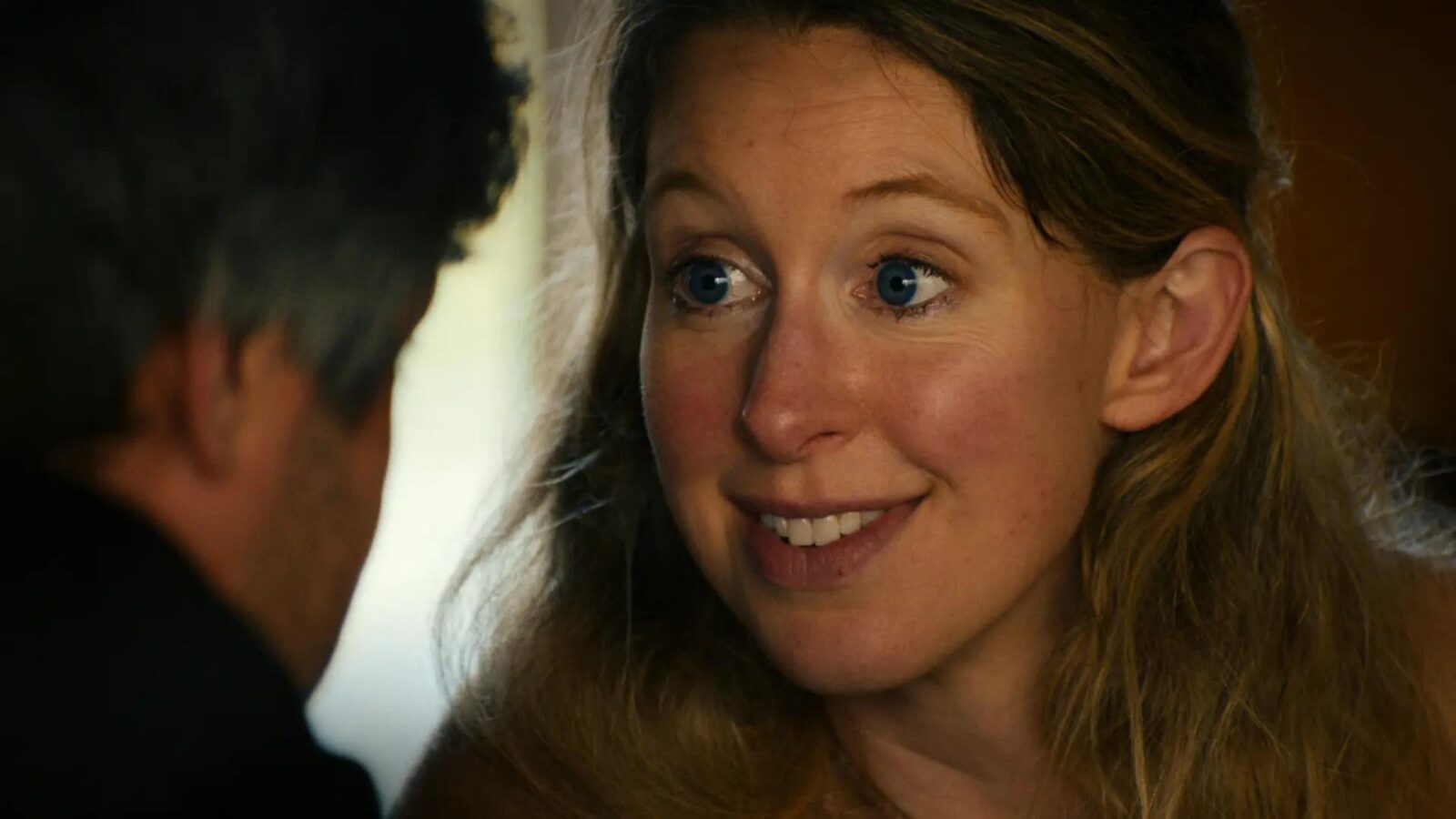
Nathan Fielder and Lance Oppenheim’s mind-boggling and jaw-dropping film You Can See Everything exposes the attention economy as the monstrous theater that it is. You Can See Everything is a true horror film.
The focal point of this desperate attempt to be seen is Billy Evans, partner of Elizabeth Holmes, a man so bereft that he is willing to say anything to be included in the frame. Evans interrupts, steers, deflects, postures, performs, and parades his junk, pouring his energy into making sure that nobody can ignore him. In a scene that Marcel Proust could not have depicted better, Evans steps in to correct the way Holmes limply mixes a bowl of eggs and whisks them with brutal intentionality. This scene will be discussed in film theory classes for decades.
Billy Evans is human click-bait.
The second most revealing scene shows Evans and Holmes in bed with a laptop discussing the resurrection of Theranos in the most egregious Silicon Valley jargon possible – diction that would embarrass every parody, farce, and satire of Silicon Valley. They sound like two people who are trying to join the “cool kids” club by parroting the people already in it. Their performances are blisteringly inauthentic.
The third most indicting scene has Amanda Seyfried baiting Evans into declaring his sexual prowess like a fifteen-year-old boy in a locker room and then watching him angrily vow to ruin the lives of everyone who has wronged Holmes. In Othello, Iago’s motivation remains ambiguous; in You Can See Everything, Evans doesn’t appear to be either sufficiently intelligent or composed to dissemble his aim. He wants to be seen and is willing to test the adage that there is no such thing as bad press.
So the real questions are 1. What was Holmes thinking when she believed a documentary about these thirty-four days as a docile, innocent, naive, and unrepentant mother would redeem her (and possibly attain a pardon from Donald Trump)? And 2. Did Evans think he could outsmart Fielder and Oppenheim and convince the world that he is a business force to be reckoned with while the popular consensus has already labeled him a master manipulator at best?
From the critical acclaim and the online frenzy it is clear that Evans has secured the audience he craves. In a larger sense the film is an indictment of our society in general and social media in particular. Journalists have long debated whether naming terrorists rewards them with the very attention they seek: Fielder and Oppenheim have put a megaphone into the hands of a truly desperate man.
If You Can See Everything beats The Odyssey to win the Academy Award for Best Picture (personally, I would vote for Backrooms) and not just Best Documentary, who will have the last laugh?