

Let me ask you something. When did you last think of your brain as something that could genuinely grow? Not metaphorically — not in the “I learned something new today” sense — but literally, structurally, biologically grow?
I’ll be honest. Until recently, I hadn’t. Like most people, I had absorbed the idea somewhere along the way that the brain we’re born with is more or less the brain we’re stuck with. That ageing means decline. That memory lapses are just part of the deal. That the fog that descends after fifty — or forty, or thirty, for some of us — is simply the price of a life well lived.
Then I encountered the work of Dr. Majid Fotuhi, and everything I thought I knew shifted.
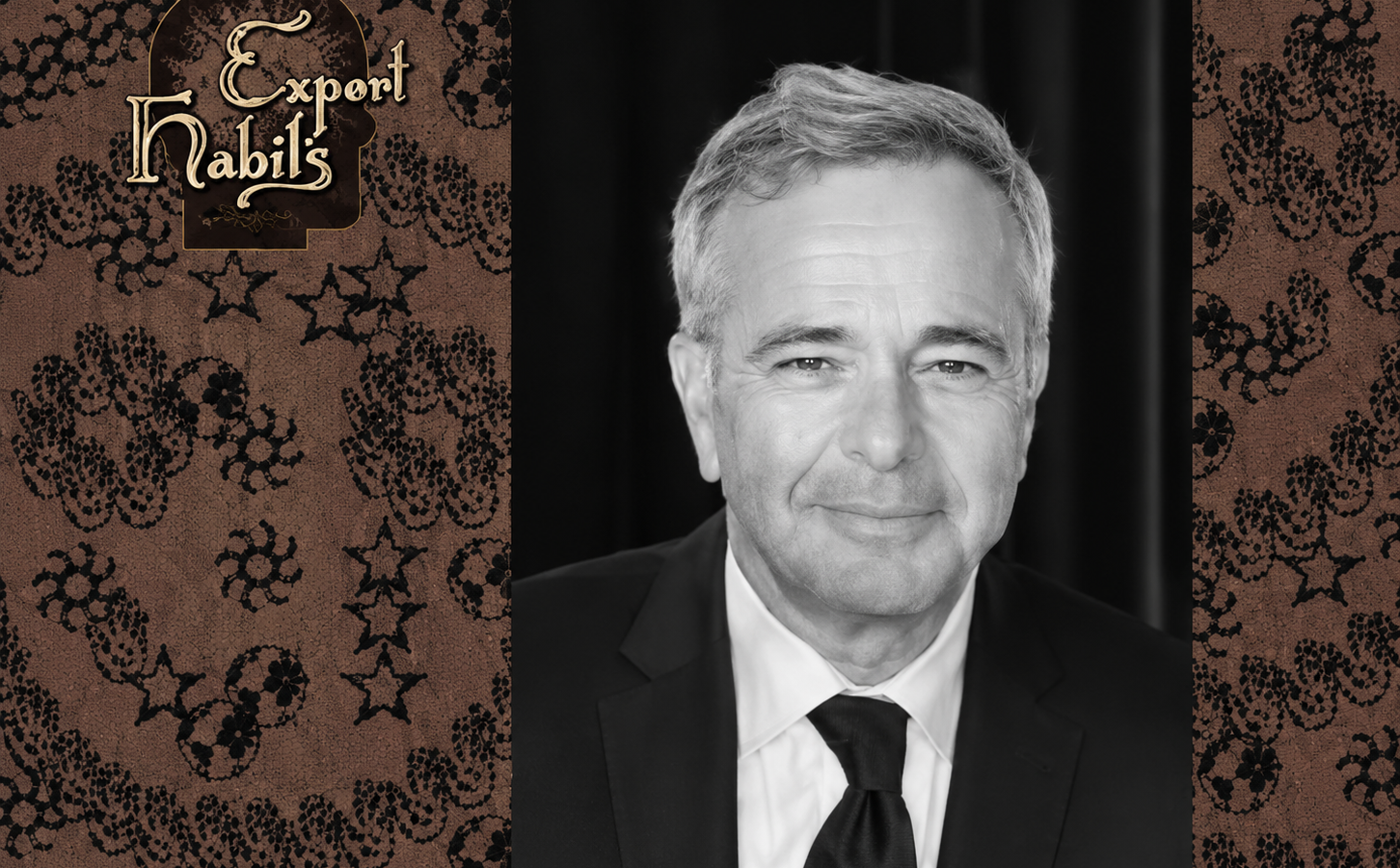
Dr Fotuhi is a pioneering neurologist and neuroscientist with over thirty-five years of experience in brain health, neuroplasticity, and the prevention of Alzheimer’s disease. He earned his PhD in neuroscience from Johns Hopkins, completed his medical training at Harvard, and has spent his career doing something rather extraordinary: translating the most rigorous science in the world into something the rest of us can actually use.
His new book, The Invincible Brain: The Clinically Proven Plan to Age-Proof Your Brain and Stay Sharp for Life, carries a message that I believe every single one of us needs to hear right now.
Neuroplasticity is real. It is powerful. And it is never too late.
Now, if you’re anything like the leaders and executives I work with, your brain is arguably your most important professional asset. It is what you use to make decisions under pressure, to read a room, to hold complexity, to regulate your reactions when the stakes are high. And yet — how many of us are actively investing in it?
We service our cars. We invest in our wardrobes. We obsess over our nutrition (well, sometimes). But our brains? We take them entirely for granted, right up until the moment they begin to let us down.
Dr. Fotuhi’s central argument — and it is backed by serious peer-reviewed science — is that this is a profound mistake. Because the brain is not a fixed organ. It is a living, dynamic, changeable one. The lifestyle choices we make every single day — how we move, how we eat, how we sleep, how we manage stress, and how we challenge our minds — can genuinely alter the structure and function of the brain at any age.
Read that again. At any age.…
This is the concept of neuroplasticity, and while it may sound like the latest wellness buzzword, it is anything but. The science is robust, the evidence is accumulating, and the implications are profound.
Here’s what strikes me most, both as a coach and as a human being: so much of what I ask of my clients in terms of leadership development is essentially asking them to do exactly this — to rewire. To interrupt habitual patterns of thinking. To build new capacities for empathy, for self-regulation, for reflection. And it turns out that when we do that work with intention and consistency, we are not speaking metaphorically. We are, quite literally, reshaping neural architecture.This is not a small thing. This is remarkable.
Dr. Fotuhi has created a twelve-week programme that has helped thousands of people dealing with memory loss, brain fog, concussion, mild cognitive impairment, and even early Alzheimer’s disease. Thousands of people who were told, in one way or another, that decline was inevitable. That the damage was done. That it was too late. It wasn’t. And if it isn’t too late for them, I would argue it certainly isn’t too late for you.
So what does this look like in practice? The honest answer is both simpler and more demanding than most of us would like.
Movement matters — not elite athletic performance, but consistent, intentional physical activity that raises your heart rate and gets blood flowing to the brain. Sleep matters — genuinely, deeply, and without the badge of honour we in the high-performance world attach to running on five hours. Stress management matters — not the vague wellness kind, but active, disciplined practices that bring the cortisol down and let the brain restore itself. Nutrition matters. And cognitive challenge matters — keeping the brain actively engaged, learning, stretching, building new connections.
None of this is mystical. All of it requires commitment.
But here is what I keep coming back to: if you knew — really knew — that these choices were not just making you feel better in the moment but were physically rebuilding your brain, would you make them differently? I think most of us would.
In my coaching work, I talk often about the gap between knowing and doing, the space where so many brilliant, capable people get stuck. We know we should sleep more. We know we should move. We know we should step away from the screen. And yet.
What Dr. Fotuhi’s work offers is something that I have found cuts through that gap more effectively than almost anything else: a compelling why. Not guilt. Not fear. But genuine, evidence-based understanding of what is at stake and what is possible.
Because here is what I have learned in over twenty years of working with leaders: people do not change their behaviour because they’re told to. They change when they connect to something that matters to them deeply. And for most of the people I work with, their cognitive sharpness, their clarity, their capacity to lead well and live fully that matters enormously.
The Invincible Brain is not a book about slowing decline. It is a book about actively building something better. It is a book that says: your brain is not finished with you. And more importantly — you are not finished with your brain.
I find that deeply hopeful. Not in a saccharine, feel-good way, but in the grounded, scientifically substantiated way that actually changes behaviour.
We live in a world where the pace of demand on our minds has never been greater. Where the leaders I work with are being asked to process more, decide faster, and stay resilient for longer. Where burnout is endemic and cognitive fatigue is the background hum of most professional lives.
“We cannot afford to treat our brains as an afterthought.” Dr Majid Fotuhi
So here is my invitation to you, as someone who has dedicated her career to helping people get out of their own way and show up fully: read this book. Not to add another thing to your to-do list, but to genuinely understand what science now knows about your own extraordinary capacity for growth.
And then — characteristically of everything I believe in — walk the talk.
Your brain is waiting….
Sunita Sehmi is the founder of Walk the Talk, an executive coaching and organisational consulting firm based in Geneva. She is the author of How to Get Out of Your Own Way and The Power of Belonging. She writes on leadership, well-being, and human potential.