

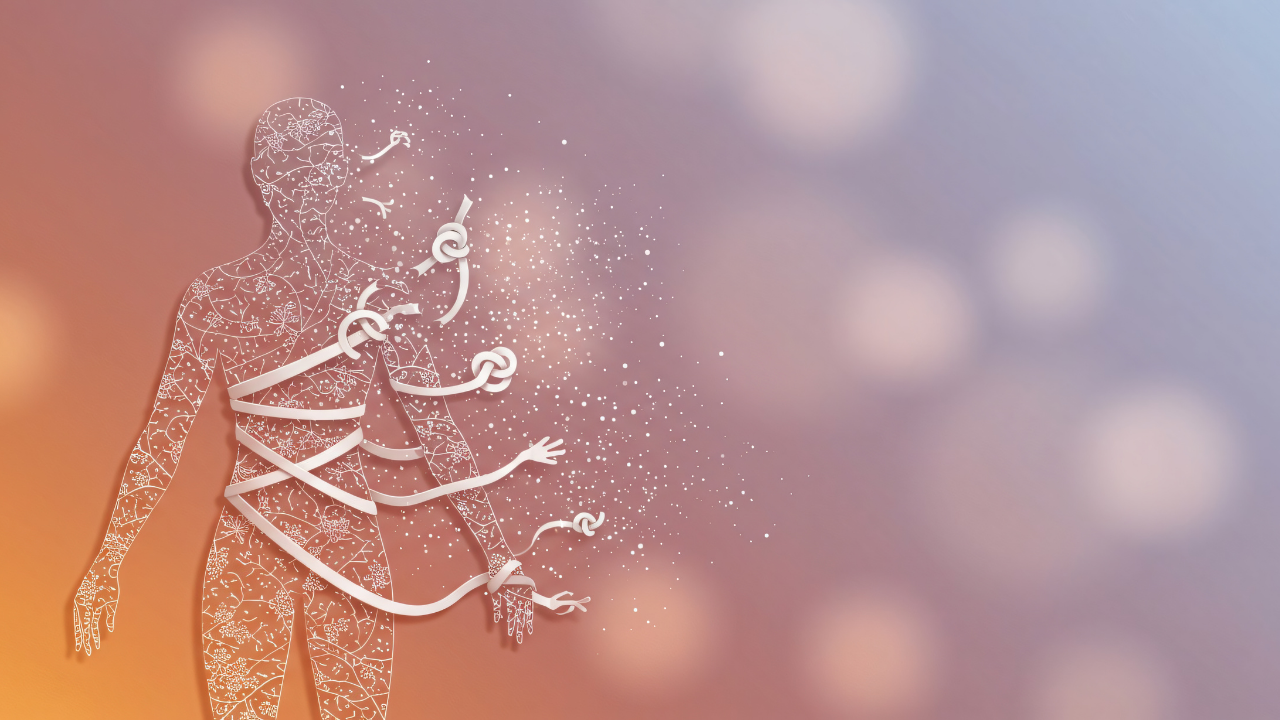
Every attachment can become a source of pain when it feels threatened.
– Mike Wood
Most people are never taught to question the identities they carry—or the quiet emotional cost of holding onto them. Over time, attachments to roles, titles, beliefs, relationships, and even possessions can become deeply intertwined with how we see ourselves. While these identities may feel stabilizing on the surface, they often create unnecessary stress, defensiveness, and emotional suffering beneath it.
When identity becomes something the mind feels it must protect, even ordinary situations can trigger intense emotional reactions. A disagreement feels personal. A comment feels threatening. A perceived failure feels overwhelming. These reactions are not signs of weakness—they are signs that the nervous system is defending something it believes equals survival.
How Identity Attachments Form
An attachment forms when something shifts from being “something we do” to “who we are.” Once that shift happens, the subconscious mind treats the identity as essential. It no longer distinguishes between the true self and the role, label, or belief attached to it.
This is why people react so strongly to challenges involving work, politics, religion, parenting, sports, or relationships. The nervous system interprets a threat to the identity as a threat to the self. The body responds automatically—through tension, anxiety, defensiveness, or emotional shutdown—long before logic has a chance to intervene.
The Nervous System’s Role in Emotional Pain
The subconscious mind exists to protect. It does not evaluate whether something is logically dangerous—it simply responds to what has been labeled as “important for survival.” Once an identity becomes attached to the ego, the nervous system protects it as if it were life-or-death.
This explains why emotional reactions often feel physical. A knot in the stomach. A tight chest. A surge of anger or fear. These responses are not random; they are the body defending an attachment it believes is essential.
Why Common Attachments Create Stress
Many of the most painful attachments are also the most socially reinforced. Titles like professional roles, relationship labels, and personality traits often become central to self-worth. Over time, the fear of losing or being judged in these roles creates chronic stress.
Even positive identities—being a good parent, a successful leader, or a reliable partner—can become sources of suffering when they are defended rather than lived from. The pressure to maintain the identity can override presence, compassion, and emotional regulation.
Detachment Does Not Mean Disconnection
Detachment is often misunderstood as caring less. In reality, it allows people to care more freely—without fear or defensiveness. Removing identity attachment does not remove love, responsibility, or commitment. It removes the need to protect a label.
When the attachment dissolves, reactions soften. Listening improves. Compassion becomes accessible. The nervous system no longer feels under threat, which creates space for thoughtful response instead of automatic defense.
How Detachment Improves Relationships
When identity is removed from roles within relationships, emotional safety increases. Without the need to defend being “right,” “good,” or “enough,” conversations become calmer and more supportive. Presence replaces protection.
This shift often strengthens relationships rather than weakening them. Emotional regulation improves because the body is no longer reacting to perceived threats to self-worth.
Leadership Without Identity Defense
In leadership, identity attachment often fuels blame, fear of failure, and defensiveness. When leaders detach from titles and ego-driven self-image, accountability becomes easier. Responsibility can be taken without shame. Problems can be addressed without finger-pointing.
This creates psychological safety within teams, allowing others to take ownership and collaborate more effectively. Detachment enables leadership rooted in clarity rather than control.
Emotional Intelligence Through Detachment
Emotional intelligence depends on regulation. When someone is triggered, access to higher-level thinking narrows. Attachments are often the trigger point that initiates this loss of regulation.
Removing identity attachments reduces emotional volatility. Without the need to defend “who I am,” the nervous system remains calmer, allowing empathy, perspective, and problem-solving to remain online.
Letting Go Without Losing Purpose
One of the most common fears around detachment is the belief that purpose or motivation will disappear. In practice, the opposite often happens. When identity attachments fall away, energy previously spent on defense becomes available for growth, creativity, and connection.
Goals can still exist. Passions can still be pursued. The difference is that success or failure no longer determines self-worth. Action becomes intentional rather than reactive.
A Simple Practice to Release Attachments
Detachment does not require complex rituals. A simple acknowledgment can begin the process. Naming an identity aloud—such as a role, title, or label—and affirming that it is something you do, not who you are, signals safety to the subconscious mind.
This reframing allows the nervous system to release its grip. Peace often follows not because circumstances change, but because the body no longer believes it is under threat.
Living Without the Ornaments
When identity attachments fall away, what remains is a sense of grounded presence. Life feels lighter. Reactions soften. Moments become more available for connection rather than defense.
This state does not remove ambition, love, or engagement with life. It removes the suffering created by believing we must protect who we think we are. What’s left is the freedom to simply be—whole, steady, and emotionally available.
