
“If you’re sick, you can be healed. If you’re going through depression, you can be healed. God gave us all these gifts — we just didn’t know they were kept from us. But now we’re stepping up and stepping into our power, and beautiful things are coming.”
— Sondra Bailey, Shaman & Energy Healer
When your labs are normal, and your schedule is optimized, but something still feels wrong, your energetic and emotional environment may be the missing piece.
There’s a particular kind of exhaustion that’s hard to explain to a doctor. You’re sleeping. You’re eating reasonably well. You’ve downloaded the meditation app. And yet, something feels off — a heaviness you can’t name, a low hum of anxiety that never fully settles, a sense that you’re not quite yourself.
Millions of people live in this gray zone, cycling through specialists and self-help strategies without ever finding a satisfying answer. What if part of what’s missing from the conversation isn’t about your body chemistry or your to-do list, but about the invisible environment you move through every day — the emotional and energetic atmosphere that surrounds you, influences you, and, when left unaddressed, slowly drains you?
This is the territory that energy healers, somatic practitioners, and an emerging body of research in psychoneuroimmunology are beginning to map. Sondra Bailey — known as Shaman Sondra — has spent years working with individuals to clear emotional and energetic buildup, restore balance, and help people reconnect with their sense of self. And while the frameworks differ — some rooted in ancient traditions, others in neuroscience — the core insight her work points to is surprisingly consistent: we are not closed systems. We absorb, exchange, and carry energy from our environments, our relationships, and even our own unprocessed experiences. Understanding that process is one of the most underrated tools for well-being available to us.
The Body Keeps the Score — Even When Tests Come Back Clean
Conventional medicine excels at detecting what’s measurably wrong. But it has historically struggled with what might be called “functional distress” — the real, lived experience of feeling unwell when every biomarker appears normal.
Research in psychoneuroimmunology has helped close this gap, demonstrating that emotional states, chronic stress, and unresolved trauma create measurable physiological effects: elevated cortisol, disrupted immune signaling, increased inflammation, and dysregulation of the autonomic nervous system. In other words, how you feel — emotionally, energetically — has a direct biological consequence.
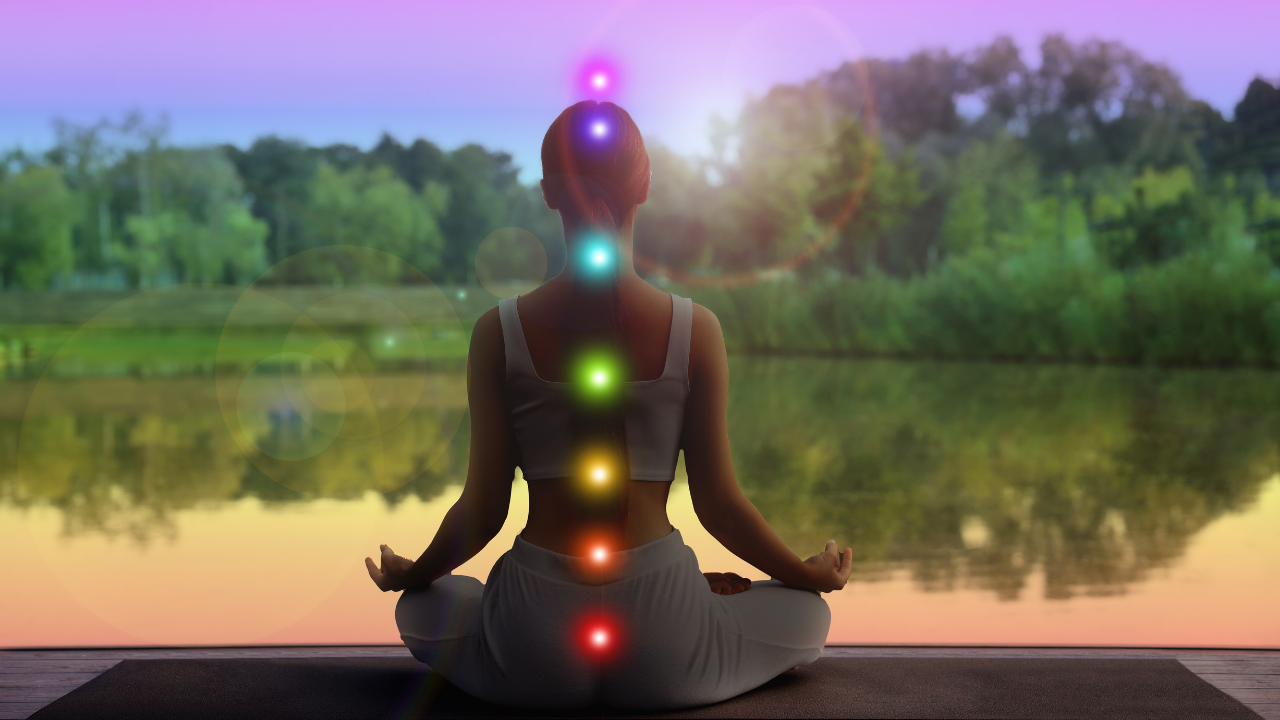
Energy healing traditions have mapped this territory for centuries using different language. The concept of the aura — an energy field that surrounds and permeates the body — maps closely onto what modern science recognizes as the body’s bioelectric field. The chakra system, a set of energy centers corresponding to regions of the body, has parallels in how Western medicine understands nerve plexuses and endocrine centers. The language is different; the underlying observation — that something beyond the purely physical shapes how we feel — is not.
The practical takeaway: If you feel persistently unwell without a clear physical cause, it’s worth expanding your inquiry beyond the biomedical. Ask: What am I carrying emotionally? What environments am I regularly exposed to? What relationships are draining versus restoring me?
You Are Constantly Absorbing Your Environment — Whether You Know It or Not
One of the most well-documented phenomena in social psychology is emotional contagion — the largely unconscious process by which we “catch” the emotions of the people around us, mirroring their mood states through microexpressions, vocal tone, and posture. Research by social psychologist Elaine Hatfield and colleagues has shown that this process happens automatically and can dramatically affect our own emotional state, sometimes without any awareness of where the feeling originated.
This is why you can walk into a room and feel the tension, leave a conversation feeling inexplicably depleted, or absorb a partner’s anxiety as if it were your own. Energy healers describe this as picking up “attachments” or “dark energy” from public spaces and other people — and while the vocabulary differs, the phenomenon it’s describing is real and well-supported.
Highly sensitive people — those whose nervous systems process stimuli more deeply, a trait studied extensively by psychologist Dr. Elaine Aron — are particularly vulnerable to this kind of energetic absorption. What might feel like a personal emotional state is often, for these individuals, simply the residue of what the people and spaces around them have broadcast.
The practical takeaway: When you feel suddenly anxious, heavy, or irritable — especially after being in a crowd, a charged conversation, or a difficult environment — pause and ask: Is this mine? Developing this discernment is one of the most powerful self-awareness skills you can build.
The Hidden Cost of Unprocessed Emotional Buildup
Energy healing frameworks describe what practitioners call “rips and tears” in the aura — damage that accumulates from emotional pain, trauma, and energetic overload. Modern trauma research tells a strikingly similar story. Dr. Bessel van der Kolk’s foundational work shows that unprocessed trauma doesn’t disappear; it lodges in the body as a kind of residue, altering nervous system regulation, immune response, and even physical sensation.
The heart chakra — the energy center associated with love, grief, and connection — is described in healing traditions as especially prone to damage from emotional pain. It’s notable that cardiologists have documented a real syndrome called Takotsubo cardiomyopathy, or “broken heart syndrome,” in which acute emotional distress causes measurable, temporary dysfunction in the heart muscle. The heart literally responds to emotional wounding.
When one energy center is blocked or impaired, the burden redistributes. Other systems compensate, other organs are stressed. This is a principle that both energy medicine and conventional systems biology recognize: the body is an integrated system, and a disruption in one area creates cascading effects elsewhere.
The practical takeaway: Regular emotional processing isn’t a luxury — it’s maintenance. Journaling, therapy, somatic bodywork, breathwork, or any practice that helps you move emotion through your body (rather than suppressing or intellectualizing it) directly supports your physical well-being.
Grounding Is Not Just a Metaphor
The concept of grounding — of staying connected to the earth and the present moment — shows up in virtually every contemplative and healing tradition on the planet. In energy work, the Earth Star chakra (located below the feet in some traditions) is understood as the anchor that keeps excess energy from overwhelming the system.
Modern research has begun to validate what these traditions intuited. Studies on earthing (direct physical contact with the earth’s surface) have shown reductions in cortisol, improved sleep, decreased inflammation, and shifts in autonomic nervous system tone. Separately, mindfulness research consistently demonstrates that grounding practices — those that anchor attention in the present moment through the body and senses — reduce the activation of the brain’s default mode network, the neural circuit associated with rumination and anxiety.
For people who describe themselves as scattered, overwhelmed, or chronically “in their head,” grounding practices may be among the most direct and immediate interventions available.
The practical takeaway: Build a simple grounding ritual into your day. Options include: walking barefoot on grass or soil, slow diaphragmatic breathing while noticing physical sensations, the “5-4-3-2-1” sensory grounding technique, or simply placing your feet flat on the floor and feeling the weight of your body. Even a few minutes can shift your nervous system state.
Your Relationships Leave an Energetic Footprint
Energy healing traditions speak explicitly about the energetic exchange that happens between people in close relationships — particularly intimate partnerships. The concept of cording, in which a draining or unhealthy relationship creates an energetic tie that continuously pulls on your vitality, has a clear psychological parallel in the research on trauma bonding, codependency, and enmeshment.
Attachment theory, developed by John Bowlby and extended by contemporary researchers, demonstrates that our nervous systems literally co-regulate with the people we’re closest to. In a healthy relationship, this is deeply restorative. In an unhealthy one, it can become a source of chronic stress and depletion — with consequences that show up as anxiety, fatigue, and compromised immunity.
The practice of “cord cutting” — a visualization technique used in both energy healing and certain psychotherapeutic modalities — involves consciously releasing emotional entanglement with someone who has been draining your vitality. Research on self-distancing techniques and symbolic rituals in psychology suggests these kinds of practices can have genuine effects on emotional regulation and closure.
The practical takeaway: Audit the relationships in your life with honesty. Who do you consistently feel drained after seeing? Where are you giving energy that is never reciprocated? Setting boundaries — or consciously releasing emotional entanglement — is not a spiritual luxury. It’s a survival skill.
Maintenance, Not Just Crisis Response
One of the most important ideas in energy healing is the recommendation for regular maintenance rather than waiting until something feels acutely wrong. This stands in contrast to how most people approach their well-being — reactively, treating the body only when it breaks down.
The emerging field of preventive medicine, and the broader wellness movement, increasingly supports this proactive model. Practices like regular sleep hygiene, stress management, social connection, and movement are most effective when they’re consistent, not episodic. The same principle applies to emotional and energetic hygiene.
Just as you wouldn’t expect a single workout to sustain your fitness, a single stress-management session won’t clear the cumulative weight of daily exposure to emotional intensity, environmental stimulation, and relational friction.
The practical takeaway: Build a daily energetic hygiene practice. This doesn’t need to be elaborate. Consider a short morning ritual to set intention, a brief midday check-in with how you’re feeling, and an evening wind-down that helps you “release” what the day brought in. Over time, consistency matters more than intensity.
Simple, Research-Supported Practices for Cleansing Your Energy Field
Energy healers recommend tools like saltwater, sage, sound (tuning forks), and crystals for maintaining the body’s energy field. Several of these have research-supported mechanisms worth understanding.
Saltwater: Salt has long been used in purification rituals across cultures. Bathing in or washing with salt water activates sensory receptors, shifts skin conductivity, and — importantly — signals to the nervous system a transition or reset. The ritual act itself has psychological value: research on transitions and symbolic behaviors shows that deliberate closing rituals reduce the emotional carryover from one context to the next.
Smudging with sage: Beyond its cultural significance, white sage contains compounds that have demonstrated antimicrobial effects in some research, and the act of burning it in a space creates a multisensory cue (smell, sight, ritual) that many people find genuinely calming and resetting. Whether or not the mechanism is energetic, the nervous system response to familiar, intentional rituals is real.
Sound and vibration: Tuning forks, singing bowls, and other sound-based tools are increasingly studied in the context of sound healing. Research has shown that specific sound frequencies can shift brainwave states, reduce cortisol, and promote relaxation — validating the intuition behind vibrational healing traditions.
Crystals: While direct evidence for crystals affecting energy fields is limited, the practice of using them as tactile anchors for intention and mindfulness is genuinely beneficial. Any object used consistently in a mindfulness or grounding practice can become a powerful conduit for that state through associative conditioning.
The practical takeaway: Choose one or two cleansing practices that resonate with you and make them consistent. The mechanism matters less than the regularity and the intention behind it.
A Note on Sleep and the Unconscious Environment
Energy healing traditions pay significant attention to what practitioners call “dream time” — the hours we spend in sleep — as a period of heightened vulnerability and also deep restoration. This aligns with what neuroscience has confirmed: sleep is not passive. It is one of the most metabolically active periods of the day, during which the brain’s glymphatic system flushes toxins, emotional memories are processed and consolidated, and the immune system is powerfully restored.
Sleep disruption is both a symptom and a cause of energetic depletion. People who describe feeling drained, anxious, or emotionally raw often have disrupted sleep — and vice versa. The bidirectional relationship between emotional state, nervous system regulation, and sleep quality makes dream hygiene one of the highest-leverage areas for overall well-being.
The practical takeaway: Protect your sleep environment deliberately. This includes both the physical space (darkness, coolness, quiet) and the emotional atmosphere — limiting emotionally activating content in the hour before bed, engaging in a calming transition ritual, and addressing any relationship conflicts that tend to replay at night.
Putting It Together: A Daily Energy Well-Being Framework
Rather than waiting to feel depleted before taking action, consider building a proactive, layered approach to your energetic and emotional health:
Morning: Start with a brief grounding practice (deep breathing, bare feet on the floor, a moment of stillness). Set a conscious intention for how you want to feel during the day, not just what you want to accomplish.
Throughout the day: Practice the “Is this mine?” check-in when emotions arise suddenly or feel disproportionate. Take short sensory breaks to reset your nervous system — a few minutes outside, away from screens.
After social or public exposure: Use a brief cleansing ritual that works for you — a shower, a few minutes with sage or salt water, or simply a conscious breath and the intention to release what you’ve picked up.
In relationships: Notice the energetic balance in your closest connections. Invest in the ones that restore you. Create boundaries around the ones that consistently deplete you.
Evening: Wind down with deliberate practices that help your nervous system transition out of activation — and protect your sleep as non-negotiable.
Weekly: Engage in something that deeply restores you — whether that’s time in nature, creative expression, a somatic movement practice, or whatever brings you most fully back to yourself.
Final Reflection
The next time you feel off and can’t explain why, resist the temptation to dismiss it or push through. Your nervous system, your emotional body, and your lived experience are all forms of data — and they are trying to tell you something.
You are not just a physical organism moving through a neutral world. You are a sensitive, dynamic system that is constantly in relationship with everything around you — the spaces you inhabit, the people you love, the content you consume, and the emotions you process or suppress. Taking seriously the energetic and emotional dimensions of your well-being isn’t mystical thinking. It’s one of the most grounded, evidence-informed things you can do for your health.
Start with curiosity. Notice what you absorb. Cleanse what doesn’t belong to you. And return, as often as you can, to the felt sense of yourself — because that is where your healing begins.
This article is for educational purposes only and does not constitute medical advice. If you are experiencing persistent physical or mental health symptoms, please consult a qualified healthcare professional.