
We chase happiness through achievement, through better circumstances, through checking the right boxes. But what if happiness hinges on something quieter and more relational than any of that?
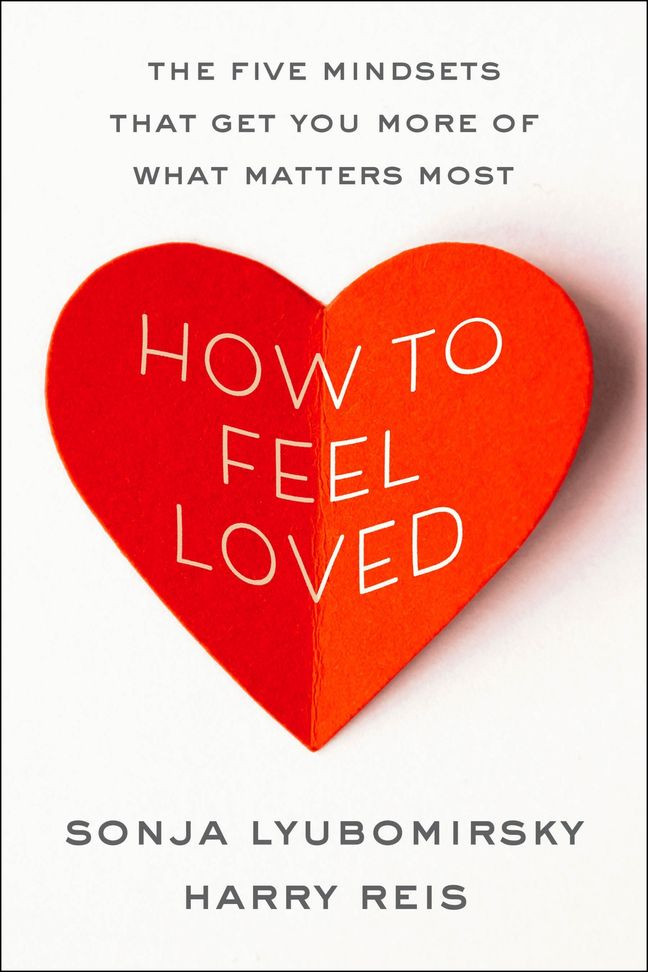
Dr. Sonja Lyubomirsky has spent 36 years as a happiness scientist, pioneering research on gratitude, kindness, optimism, and human flourishing. Her latest book, How to Feel Loved, written with relationship scientist Harry Reis, distills a finding that emerged across decades of research: As Sonja puts it, “Almost everything we do to become happier works because it helps us feel more connected and loved.”
The key to happiness, it turns out, is not just being loved. It’s feeling loved.
For the full interview, check out our Evolving with Gratitude podcast episode on YouTube or your favorite podcast platform.
Being Loved vs. Feeling Loved
Many of us know we are loved. We have partners, family members, and friends who care about us. Yet we don’t always feel it.
Sonja is careful to distinguish between feeling lonely and being lonely. Loneliness, she explains, is not a permanent trait or a personal failing. It’s a signal, like hunger or pain, that evolved to get our attention. It tells us that a social bond needs repair.
The trouble begins when we turn a moment into an identity. “I’m having a lonely moment” is very different from “I am a lonely person.” One is temporary and changeable. The other can quietly close us off from the very connection we need.
Sonja offers a simple metaphor: imagine a cup of love. Someone might be pouring love into your cup, but maybe there’s a leak at the bottom. Or maybe the opening at the top is too narrow, and the love isn’t really getting in.
“You can’t feel fully loved if you’re not fully known,” she explained. We all have walls that protect us, and they serve a function. But those same walls prevent the very connection we crave.
The question becomes: How do we lower those walls enough to be truly known and to truly know another person?
Change the Conversation, Not the Person
When we don’t feel loved in a relationship, our instinct is to ask: How do I become more lovable? Or: How do I get them to love me more?
Both questions miss the point.
“If you want to feel more loved, you don’t need to change yourself or the other person,” Sonja told me. “You change the conversation.”
This reframe restores something crucial: agency. You can’t control whether someone loves you. But you can absolutely change how you show up in the relationship. And here’s the counterintuitive part: the first step isn’t about getting the other person to see you differently.
It’s about making them feel more loved first.
Relationships, Sonja reminds us, are built from a series of conversations. When you shift the quality of those conversations, you shift the relationship itself. And reciprocity, one of the strongest norms of human behavior, does the rest.
If you want to feel more loved, you don’t need to change yourself or the other person. You change the conversation.
—Sonja Lyubomirsky
Radical Curiosity and Listening to Learn
So what does it actually look like to change the conversation?
Sonja and Harry Reis identify five mindsets in How to Feel Loved, and two of them form the foundation: radical curiosity and listening to learn.
Radical curiosity means showing genuine interest in someone’s inner world. Not just the surface details, but what they’re thinking, feeling, struggling with. Research shows we hesitate to ask deep questions because we worry about being nosy or intrusive. Yet people overwhelmingly want to be asked.
“When was the last time someone showed genuine curiosity in you?” Sonja asked. “Like they couldn’t wait to hear what you had to say?”
It’s rare. And it’s powerful.
The second mindset, listening to learn, addresses a problem most of us share: we’re terrible listeners. We listen to respond, mentally rehearsing what we’ll say next instead of truly hearing what’s being said.
“Listen like there’s going to be a quiz tomorrow,” Sonja suggested. Listen to learn, not to reply. When you do this, something shifts. The other person opens up. They lower their walls. And they begin to reciprocate.
Sonja recommends tools like question card decks to help move beyond small talk without feeling artificial. Questions like “What’s the best failure you’ve ever had?” or “What’s been on your mind lately?” create openings for real connection.
But the questions only work if you’re genuinely curious about the answer.
Multiplicity: Seeing the Whole Person
One of the most compassionate insights in How to Feel Loved is a concept called multiplicity.
Multiplicity comes from trauma research, and it’s built on a simple truth: we are all quilts of both positive and negative qualities. We’re generous at times and selfish at others. Loyal and narcissistic. Kind and judgmental.
“One moment doesn’t define a person,” Sonja said. “And one trait doesn’t tell the whole story.”
This matters especially when someone opens up about something uncomfortable or unflattering. Our instinct is often to judge. But multiplicity invites us to pause, take a breath, and see the person in their messy complexity.
Understanding someone’s behavior doesn’t mean accepting or condoning it. But it does mean recognizing their full humanity. And when we can do that, when we can hold space for contradiction and imperfection, relationships deepen.
“You have to use your emotional intelligence constantly,” Sonja noted. “To gauge where the other person is, what they’re ready to share, and how you respond when they do.”
In many ways, this mindset mirrors what we see in gratitude research too. When we shift our attention outward and really notice another person, connection deepens naturally.
You’re One Conversation Away
Sonja has spent nearly four decades researching happiness. And if there’s one message she would shout from the rooftops, it’s this:
“The key to happiness is feeling connected and loved. My number one tip if you want to be happier today? Go have a conversation with someone. Make it a deeper conversation.”
In surveys conducted for the book, at least 70% of people said there’s at least one relationship where they want to feel more loved. The good news? It’s under our control. Not by changing ourselves or the other person, but by changing how we show up in our conversations.
You’re one conversation away from feeling more connected. And that conversation starts with making someone else feel loved first.
In Bold Gratitude,
Lainie
Connect with and learn from Sonja Lyubomirsky
HowToFeelLoved.com (includes a quiz on your strongest and weakest mindsets)
SonjaLyubomirsky.com
Newsletter: Free happiness tips every two weeks