
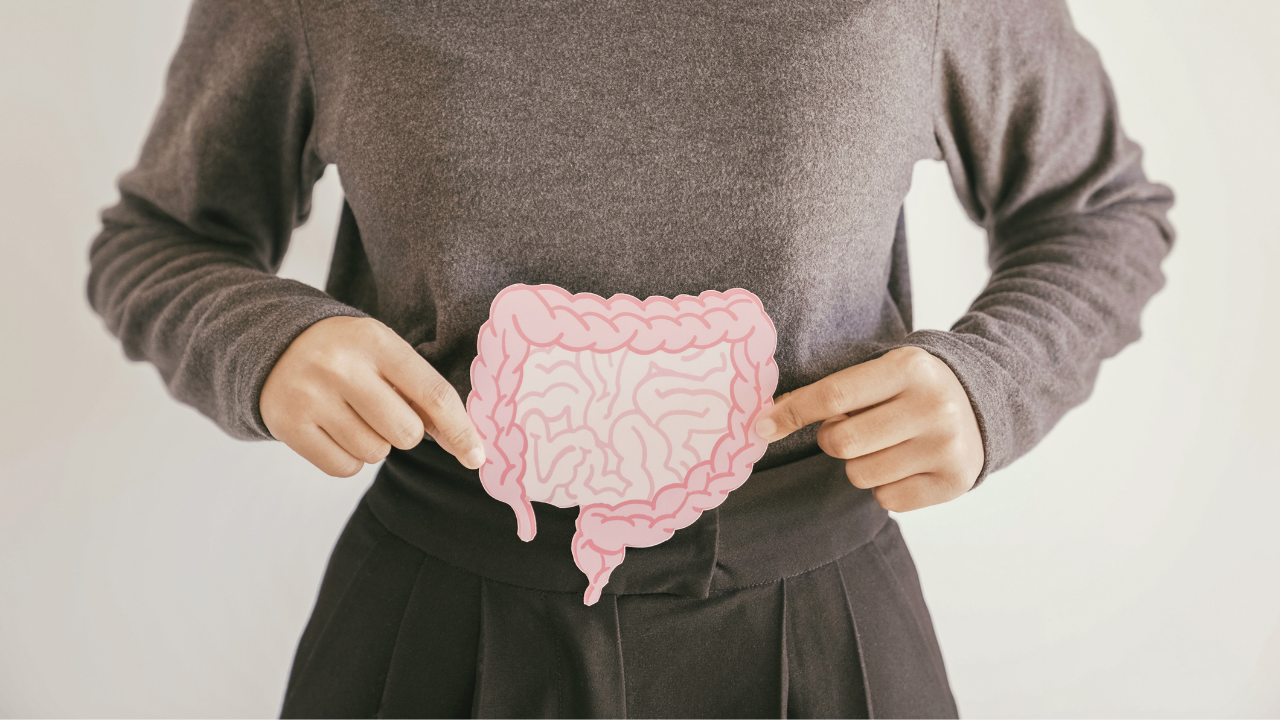
“Anxiety, poor sleep, and gut issues aren’t separate problems—they’re often signals of the same inflammatory loop running through the body.”
The core idea from Dr. Eric: stop treating “separate problems” like they’re separate
In Stacey Chillemi’s conversation with integrative clinician Dr. Eric Dorninger, a clear theme emerges: many people chase anxiety, insomnia, and gut symptoms as separate issues—only to feel stuck.
Dr. Dorninger describes a three-way “boss system” that has to cooperate:
- Nervous system (brain + wiring)
- Endocrine system (hormones)
- Immune system (inflammation + defense)
When inflammation stays elevated, that triangle can tip into a loop where you feel anxious during the day and restless at night—while digestion becomes more sensitive and reactive. Research has repeatedly found associations between inflammation markers and mood disorders in some populations, reinforcing why “calm the mind” strategies sometimes fail if the body is running an internal fire drill.
1) The gut–brain axis: why your stomach can “think” with you
Dr. Dorninger references the idea of the gut as a “second brain.” That’s not just a phrase—your digestive tract has its own dense neural network (the enteric nervous system) and communicates constantly with the brain through immune signals, hormones, and the vagus nerve.
What that means in real life:
- Stress can change digestion (motility slows or speeds up, acid shifts, cravings change).
- Gut disruption can change mood and sleep (through inflammatory messengers and neurotransmitter-related pathways).
He also points to how modern life can “stack” gut triggers—antibiotic history, food sensitivities, alcohol, infections, chronic stress—and over time the body becomes more reactive.
Practical takeaway: If anxiety feels physical (tight chest, “buzzing,” stomach knots), it’s worth treating your gut and nervous system as one conversation, not two.
2) Why gut inflammation can break sleep even when you’re exhausted
A key mechanism Dr. Dorninger emphasizes is inflammation control. When the gut barrier and microbiome are functioning well, fermentation of fiber supports production of short-chain fatty acids (SCFAs) like butyrate—compounds linked to gut lining support and immune modulation.
When the gut is irritated (overgrowth, ulceration, barrier dysfunction, constipation, inflammatory conditions), the system tends to produce more inflammatory signaling—and sleep can become lighter, more fragmented, and less restorative.
He adds a blunt—but useful—clinical reality check: regular elimination matters. Constipation isn’t just uncomfortable; it often correlates with feeling “toxic,” more inflamed, and more wired.
Practical takeaway: If you’re working on sleep but ignoring digestion, you may be leaving the biggest lever untouched.
3) “Wired but tired” is often your body trying to put out a fire
Dr. Dorninger describes the “wired but tired” state as the body using stress hormones (cortisol/adrenaline) to counter inflammation—helpful short-term, exhausting long-term.
He highlights three basics that are “unsexy” but powerful:
Steady oxygen
Sleep-disordered breathing isn’t only a concern for one body type, and risk can rise during and after menopause. If you wake unrefreshed, snore, or have frequent nighttime waking, it’s worth discussing screening with a clinician.
Steady fuel (blood sugar stability)
A classic pattern is waking around 3 a.m. with anxious energy. One possible driver is blood sugar dipping overnight, prompting a stress-hormone surge to raise it again.
Steady electrolytes + thyroid support
He stresses these foundations before you assume your body is “just anxious.”
Practical takeaway: Sleep interventions work better when oxygen and fuel are stable. Otherwise, you’re trying to build calm on top of biological alarms.
4) Perimenopause and menopause: not “just hormones”—a whole-system shift
Dr. Dorninger argues that estrogen and progesterone influence far more than reproduction. In his framing, shifting hormones can:
- change inflammatory tone,
- affect neurotransmitter binding and calm signals,
- alter sleep architecture and resilience.
In practice, many women describe a sudden sleep collapse during perimenopause—often paired with new anxiety, rumination, or nighttime waking.
Practical takeaway: If sleep “fell apart out of nowhere,” treat it like a systems shift: oxygen, fuel, gut, stress load, and hormone transitions all deserve a look.
5) A framework that keeps you from “supplement stacking”: remove obstacles first
Dr. Dorninger references the classic therapeutic logic used in naturopathic and functional models:
- Remove obstacles to healing (identify what’s driving inflammation)
- Rebuild baseline habits (food, movement, sleep timing)
- Support nervous system regulation (parasympathetic “on-ramp”)
- Then use targeted supports (ideally guided by labs and symptoms)
This matters because “random supplements” can bring you from F to C+, but to reach consistent relief you often have to remove what’s keeping the system inflamed.
6) Cannabinoids as a tool: what the transcript adds—and how to think about it safely
A notable part of this interview is Dr. Dorninger’s focus on non-intoxicating cannabinoids as one possible tool for sleep and calm—especially as an alternative to habit-forming sedatives.
From the Blue Sky CBD website, the Sleep Gel product discussed in the episode is described as a 25 mg CBD + 25 mg CBN capsule with zero THC, and the company publishes Certificates of Analysis (COAs) and a testing “Trust Center” describing third-party screening (potency and contaminants).
The product ingredient list also notes a coconut-derived carrier oil and gelatin capsule (important for allergies and dietary restrictions).
What does the broader evidence say?
- CBD and anxiety/sleep: Human research is mixed but suggests potential benefits in some contexts; evidence varies by dose, condition, and study design.
- CBN and sleep: A randomized placebo-controlled trial has examined CBN alone and CBN+CBD combinations on sleep outcomes, reflecting growing (but still developing) evidence.
- Safety and regulation: The FDA has raised concerns about CBD (drug interactions, potential liver effects, vulnerable populations) and continues to address misleading health claims in the marketplace.
A non-promotional “buyer’s checklist” if someone is considering cannabinoid products for sleep
This is educational—not a recommendation—and it aligns with the quality signals emphasized on the Blue Sky site:
- Third-party COAs available by batch (potency + contaminant screening)
- Clear THC statement (especially if drug testing is a concern)
- Full ingredient disclosure (allergens like coconut/MCT; gelatin)
- Start low, go slow and do not combine casually with sedatives/alcohol
- Ask a clinician if you take medications (notably those metabolized via liver enzymes), have liver disease, are pregnant/breastfeeding, or have complex psychiatric/cardiac history
Start here: a 7-day reset that supports gut + nervous system + sleep
Day 1–2: “Parasympathetic meals”
- Sit down, exhale slowly, soften your jaw.
- Chew more than you think you need to (Dr. Dorninger’s “30 chews per bite” idea).
- No doom-scrolling during meals.
Day 3–4: Stabilize fuel
- Eat on a rhythm: breakfast, lunch, mid-afternoon snack, dinner.
- Build snacks with protein + fat + fiber (not sugar alone).
Day 5: Add fiber color
- Aim for 3 colors per day, minimum.
- Focus on foods your body tolerates well; don’t force “healthy” foods that trigger symptoms.
Day 6: Movement as medicine (but not punishment)
- 20–30 minutes of walking OR light strength work.
- If you’re exhausted, start smaller—consistency beats intensity.
Day 7: Screen the hidden disruptors
If symptoms persist, consider discussing with your clinician:
- overnight oxygen screening (sleep-disordered breathing),
- iron status if fatigue/restlessness/heavy bleeding history,
- blood sugar patterns if 3 a.m. waking is common.
Reflection: the calm you want might be downstream of the inflammation you haven’t found yet
This episode’s most useful reframe is simple: don’t ask only “what helps sleep?”—ask “what’s keeping my system inflamed and on alert?”
When you improve the foundations—gut integrity, steady fuel, steady oxygen, and nervous system downshifting—sleep and anxiety often become easier to influence without constantly guessing.